36 or 60 pages? How to choose your passport booklet
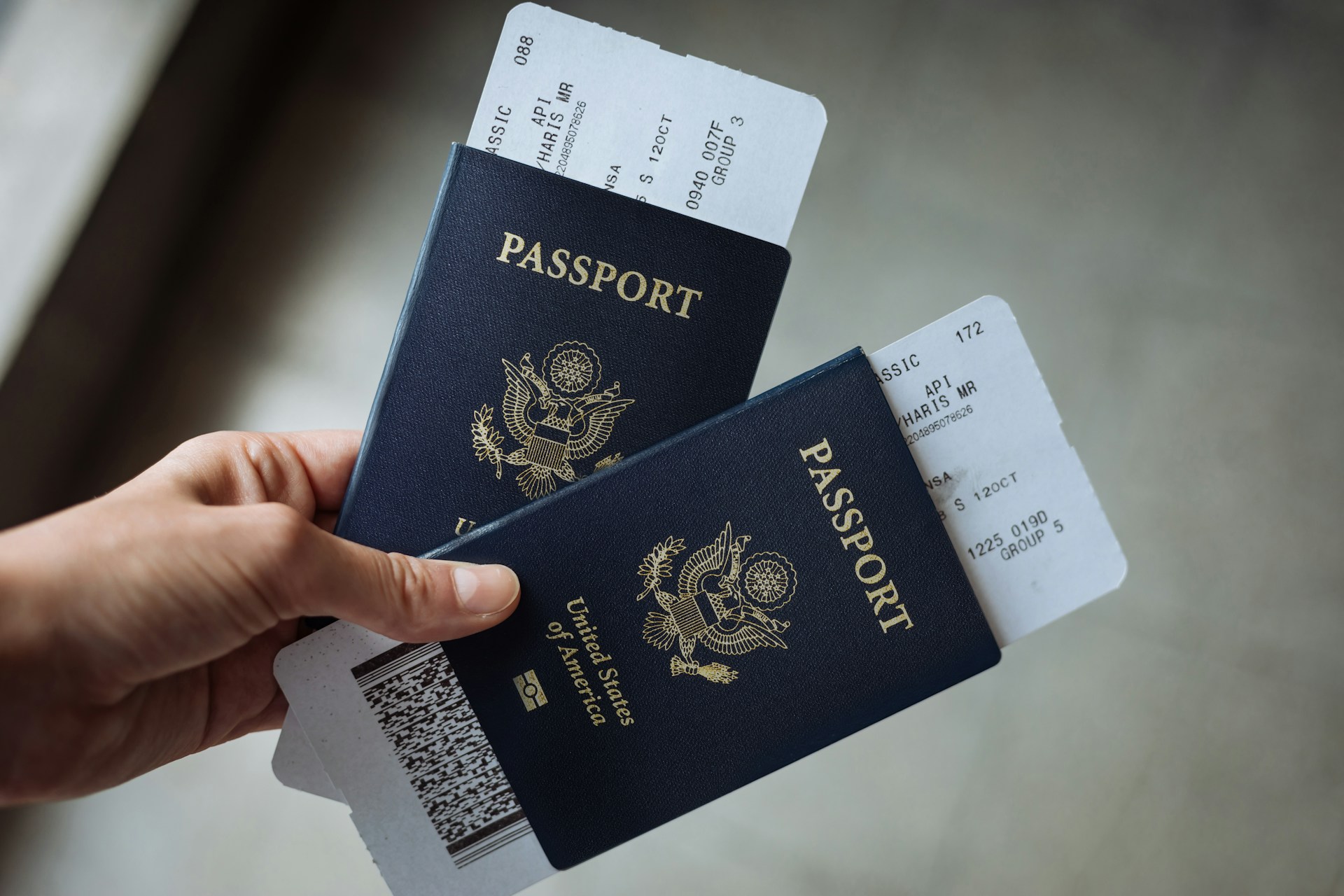
When you apply for or renew a passport in India, you’re asked to pick a booklet size: 36 pages or 60 pages. Most people tick 36 because it’s cheaper, then discover three years later that their passport is full while still valid for seven more. A full passport gets you refused at check-in exactly like an expired one.
Here’s how to make the choice properly.
What actually differs
Only the page count. Everything else is identical — the same 10-year validity for adults, the same design, the same acceptance everywhere in the world. The 60-page version costs a little more and is slightly thicker; nothing else changes.
There is no such thing as a “better” or “premium” passport here. A 60-page booklet carries no extra privileges, gets you no faster processing, and is not viewed more favourably by any embassy. You’re buying paper.
A note if you’re not Indian: booklet choice isn’t universal. Many countries issue only one size, and some offer a larger book on request. Check your own passport authority — the reasoning below still applies.
Not every page is usable
This is what catches people out. Your passport’s total page count isn’t the number of pages available for stamps.
The first few pages carry your photo and details, and the last pages are reserved for official endorsements, ECR/ECNR notes and the address page. Embassies also only accept stamps and visa stickers on the pages actually labelled for visas.
So a 36-page booklet gives you roughly 30 usable visa pages, and a 60-page booklet roughly 54. Treat those as your real budget.
How fast do pages get used?
It depends entirely on how you travel, not how often.
Stamps are small. An entry and exit stamp pair takes a fraction of a page, and border officers usually fill a page with several stamps before moving on. Ten short trips to stamp-only destinations might use three or four pages.
Visa stickers are enormous. A Schengen visa takes a full page on its own. So do most e-Visa and embassy visa stickers for Japan, China, Russia, the US, the UK and many others. One trip can cost you one page before a single stamp is added.
That’s the real rule of thumb:
- Mostly visa-free travel → stamps only → pages last a long time
- Mostly visa-required travel → one page per visa → pages disappear fast
A traveller doing two Schengen trips, a US visa and a China visa has used four pages on stickers alone, plus stamps.
So which should you choose?
Choose 60 pages if any of these apply:
- You travel more than two or three times a year
- Your destinations mostly need visas rather than visa-free entry — check yours on our country guides
- You hold or plan to apply for a long-validity multiple-entry visa (US, UK, Schengen), because those stickers sit in your passport for years
- You travel for work, or your plans are unpredictable
- You’d rather not think about it again for a decade
36 pages is genuinely fine if:
- You travel occasionally — a trip every year or two
- Your usual destinations are visa-free or visa-on-arrival for you
- You’re renewing for a child, whose passport has a shorter validity anyway
When in doubt, take 60. The price difference is small; a passport replacement in the middle of your travel plans is not.
Running out is worse than it sounds
If your passport fills up, you cannot simply carry on. You need a new passport, which means a fresh application, new processing time, and — the part people forget — your existing valid visas are in the old book.
Some countries let you travel with the old and new passport together so the visa remains usable. Others require the visa to be transferred or reissued, which can mean applying again and paying again. It varies by country, so check the specific embassy before you rely on it.
That’s the genuine cost of choosing 36 pages and guessing wrong: not the price of a booklet, but a re-application and possibly re-doing a visa you already held.
Before every trip, do this 30-second check
- Count your remaining blank visa pages. Most countries want at least 1–2 completely blank ones; some ask for more.
- Check the six-month rule on your expiry date — see the 6-month passport rule and blank pages.
- Look at what your destination needs. A visa sticker means budgeting a whole page.
If you’re down to two or three blank pages and you have visa-required trips coming, start the renewal now rather than after the next stamp.
The short answer
Pick 60 pages unless you’re confident you travel rarely and mostly visa-free. It’s a small extra cost for removing an entire category of problem — and the one thing you can’t do is add pages later.
Booklet options, fees and renewal rules are set by your passport authority and change from time to time. Confirm the current options on the official passport website for your country before applying.